Pixel Flow Level 2146 Solution & Walkthrough Guide
Struggling with Pixel Flow Level 2146? This detailed walkthrough offers step-by-step solutions, pro tips, and common mistakes to help you master the level efficiently.
📤 Share This Level Guide
Help other Pixel Flow players by sharing this walkthrough guide!
⭐Pixel Flow Level 2146 - Complete Walkthrough Guide
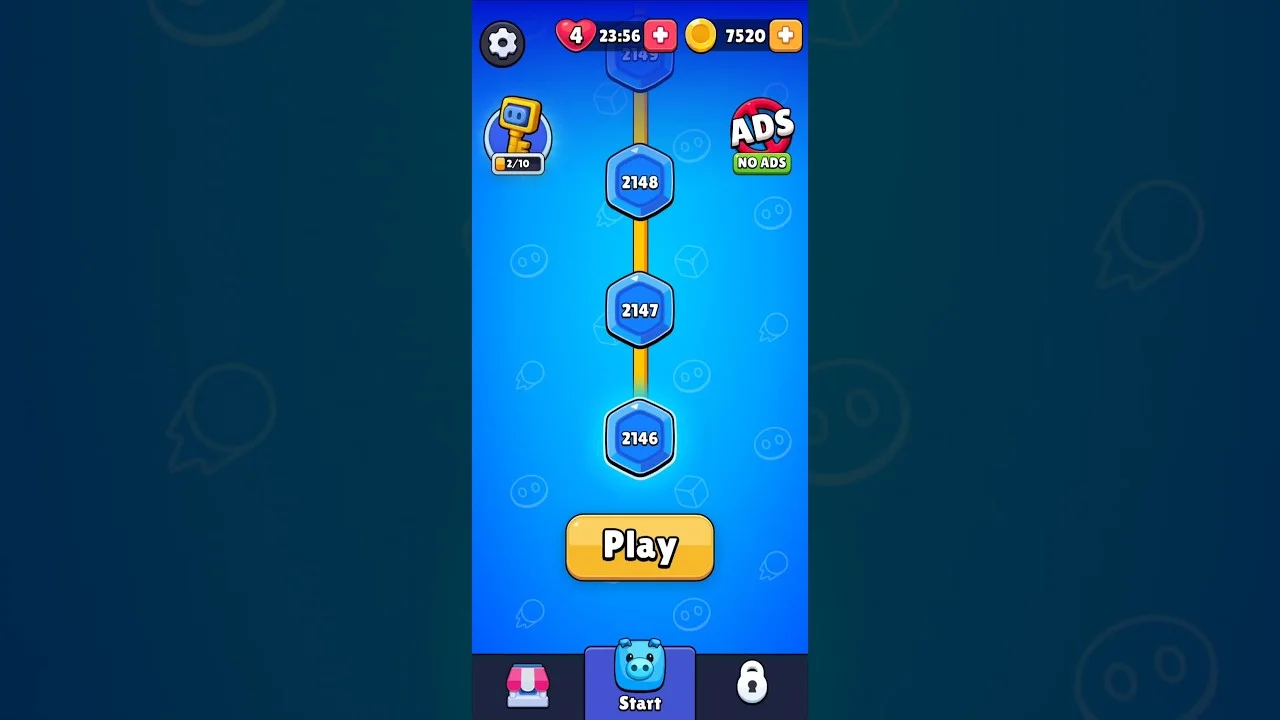
Level 2146 is definitely one of the tougher challenges in Pixel Flow. It’s set on a compact 6x6 grid where space feels incredibly tight. Your goal is to connect each pair of colored pixels with unbroken paths, without overlapping or leaving gaps. This level really tests your planning and patience—it usually takes around 20 to 30 minutes to solve, especially if you want to do it cleanly.
Step-by-Step Solution
Step 1: Color Distribution Analysis
Start by taking a good look at where the colors are placed. On this 6x6 board, some colors cluster close together, while others are spread out. Spotting these clusters early helps you figure out which paths will be easier and which might need more careful planning. For example, if two red pixels are near each other in a corner, that’s a good place to start.
Step 2: Path Length Estimation
Next, estimate how long each color’s path needs to be. This mental mapping helps you allocate your limited space wisely. If one pair is far apart, you know you’ll need to leave a longer path clear for them. This step stops you from accidentally blocking your own routes later on.
Step 3: Anchor Connections
Focus on the colors with the tightest spaces first—these are your anchors. By locking in these tricky connections early, you reduce the chance of running out of room. It’s like laying down the framework of a puzzle before filling in the rest. For instance, I always start with the pixel pairs squeezed into corners or narrow areas.
Step 4: Progressive Completion
Once the anchors are set, move on to the remaining colors, connecting them step by step. Keep checking that your paths don’t cross or block others. This progressive building ensures you don’t have to backtrack too much, which can be frustrating. I find it helps to pause and visualize the remaining open routes before each new connection.
Step 5: Grid Optimization
Finally, review the whole grid to tighten up your solution. Sometimes a path can be slightly bent or shortened to free up space elsewhere. This tweaking phase makes sure you’ve used every tile efficiently and that all pixels are connected perfectly. It’s like tuning a machine for peak performance.
Pro Tips & Strategies
Tip 1: Pattern Recognition
Over time, you’ll notice recurring patterns in how colors align on the grid. Spotting these familiar shapes can speed up your solving process because you know what works best in those setups.
Tip 2: Configuration Recognition
Certain pixel placements hint at specific strategies. For example, if two pairs are arranged parallel to each other, you might consider weaving paths carefully instead of straightforward lines.
Tip 3: Problem Recognition
Learn to spot potential roadblocks early—like paths that might trap other colors. Catching these before they become a real issue saves a lot of frustration.
Tip 4: Solution Recognition
There’s a satisfying moment when you realize you’ve found the optimal way to connect all pixels. It feels like the puzzle just clicks, and that’s a great confidence boost.
Common Mistakes to Avoid
Mistake 1: Rushing Through Moves
It’s tempting to connect pixels quickly, but rushing often leads to blocked paths. Take your time to think through each move.
Mistake 2: Overthinking Every Step
On the flip side, don’t get stuck second-guessing yourself. Trust your instincts once you’ve analyzed the board well.
Mistake 3: Imprecise Path Placement
Small missteps can force you to undo a lot later. Try to be as precise as possible, especially in tight areas.
Mistake 4: Leaving Paths Half-Finished
Avoid jumping between different colors without finishing one connection. This can clutter the board and make it harder to see the correct routes.
Advanced Strategies & Mastery
Ultimate Challenge
Once you’ve solved Level 2146, try beating it using the fewest moves possible. This pushes your path-routing skills to the max and is a true sign of mastery.
Teaching Others
Explaining your approach to friends or fellow players not only helps them but also deepens your own understanding. Sharing those critical techniques is rewarding.
Long-term Skill
The planning and spatial skills you build here carry over to all future Pixel Flow levels. Level 2146 is like a training ground that makes later puzzles feel a lot easier.
If you’re stuck, remember—it’s all about patience and seeing the bigger picture. Keep practicing, and soon you’ll breeze through this level like a pro!
Pro tip: Watch the video above for a visual walkthrough, then use the step-by-step guide below to replicate the solution at your own pace.
Pixel Flow AI Solver
Upload screenshot, get the next move in seconds
Drag & drop your screenshot
Or browse from your files. Supports PNG, JPG.
📤 Share This Level Guide
Help other Pixel Flow players by sharing this walkthrough guide!
⭐ Relation Levels
View All
Play Pixel Flow Now
Experience the ultimate flow puzzle game.