Pixel Flow Level 1956 Solution & Walkthrough Guide
Struggling with Pixel Flow Level 1956? This detailed walkthrough breaks down every step to help you connect all pixels smoothly and beat the puzzle.
📤 Share This Level Guide
Help other Pixel Flow players by sharing this walkthrough guide!
⭐Pixel Flow Level 1956 - Complete Walkthrough Guide
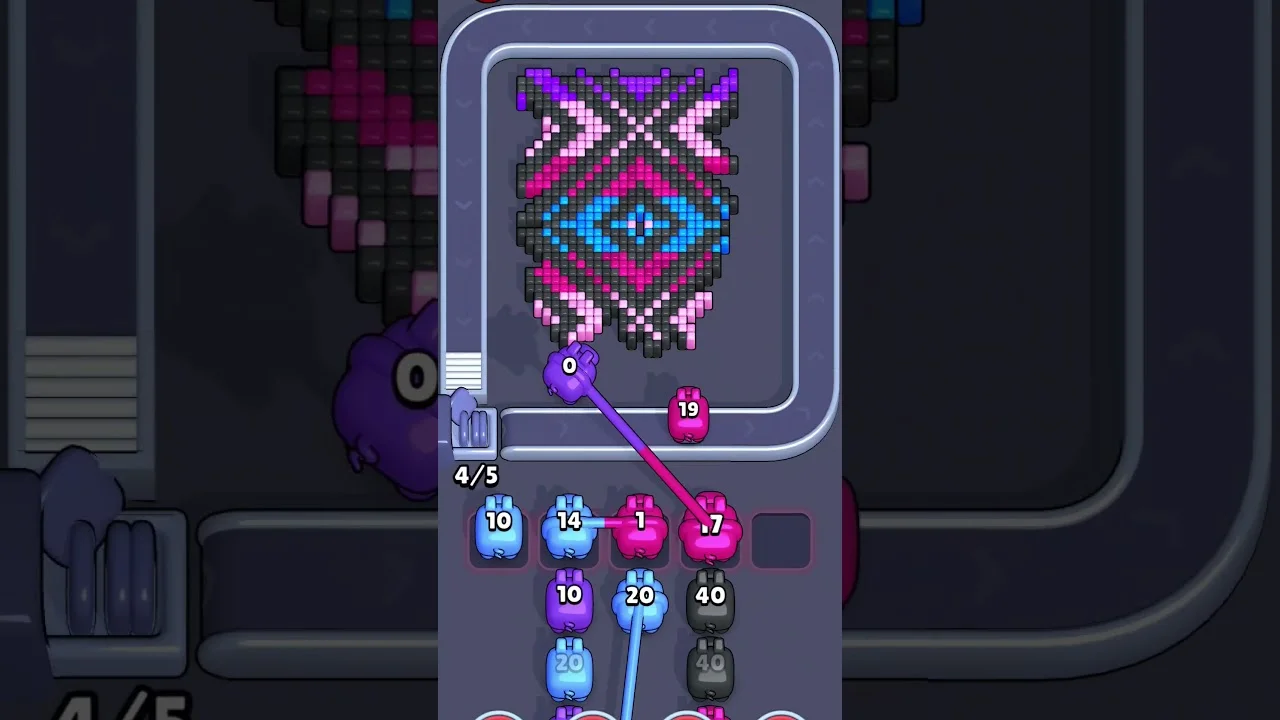
Level 1956 in Pixel Flow is a 6x6 grid puzzle that’s deceptively simple but requires some solid planning. You need to connect all 4 to 5 colored pixels with continuous flow lines. It’s not just about drawing random paths; this level really tests your ability to think ahead and manage space. Expect to spend around 15 to 25 minutes here if you want to get it perfect.
Step-by-Step Solution
Step 1: Grid Mapping
Start by carefully scanning the entire grid. Take note of where each colored pixel is placed and which ones look trickiest to link up. For example, pixels near the edges or corners usually limit your options, so spotting them early helps avoid dead ends later.
Step 2: Establish Foundations
Begin by drawing the main paths for the most obvious or central pixel pairs. These foundational lines act like a skeleton for the whole puzzle. Once these are set, it’s easier to fit the other connections around them without clashes.
Step 3: Progressive Building
Work your way from the outer edges inward. This layered approach helps prevent your paths from blocking each other. I found that starting from the edges gives you more room to maneuver as you connect the inner pixels.
Step 4: Problem Solving
If you hit a blocked path or your route isn’t working, don’t get frustrated—this is normal. Use backtracking to erase and try different routes. Sometimes, a small change in one path opens up space to connect another pixel smoothly.
Step 5: Final Assembly
Once you’ve connected the main flows, focus on finishing the remaining pixel pairs. Double-check that every path is continuous with no breaks and that none of the flows cross or overlap incorrectly. This final review ensures a clean, complete solution.
Pro Tips & Strategies
Adapt Strategy to Puzzle Layout
Every puzzle has its own quirks. Adjust your approach based on how the pixels are arranged. For instance, if you see symmetrical patterns, use them to predict paths.
Tactical Flexibility
If your first plan doesn’t work, don’t hesitate to switch tactics. Sometimes a completely different route is needed.
Real-Time Adjustment
Stay flexible as you build. New constraints or blocked areas might pop up, so adapt on the fly.
Learn from Experience
Each attempt teaches you something new. Notice what works and what doesn’t to improve your next run.
Common Mistakes to Avoid
Skipping the Initial Scan
Jumping straight into connecting pixels without looking at the whole board usually leads to trouble. Always take a moment to map out your plan first.
Ignoring Edges Early On
Edges can be tricky but are crucial pathways. Leaving them for last often locks you out of good routes.
Trying to Overlap Paths
Remember, paths can’t cross or share the same tiles. Planning routes that overlap wastes time and causes frustration.
Missing Symmetry Clues
Many puzzles hide hints in symmetrical pixel placements. Overlooking these can mean missing the easier solution.
Advanced Strategies & Mastery
Focus on Fundamentals
Master Level 1956 by really understanding the basics—how paths interact, and how to optimize space.
Teach to Learn
Creating your own guides or tutorials not only helps others but deepens your own understanding.
Join the Community
Sharing tips and solutions with fellow players builds a stronger Pixel Flow community and makes tackling tough levels more enjoyable.
Pro tip: Watch the video above for a visual walkthrough, then use the step-by-step guide below to replicate the solution at your own pace.
Pixel Flow AI Solver
Upload screenshot, get the next move in seconds
Drag & drop your screenshot
Or browse from your files. Supports PNG, JPG.
📤 Share This Level Guide
Help other Pixel Flow players by sharing this walkthrough guide!
⭐ Relation Levels
View All
Play Pixel Flow Now
Experience the ultimate flow puzzle game.