Pixel Flow Level 125 Solution – Complete Step-by-Step Walkthrough Guide
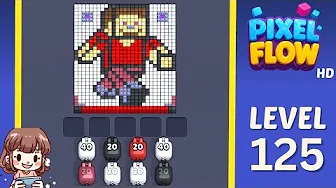
Pixel Flow Level 125 Walkthrough Guide
Introduction
Welcome to the Pixel Flow Level 125 walkthrough! If you’ve hit a wall here, you’re not alone—this level really steps up the challenge with a crowded 5x5 grid and multiple color pairs that demand some serious strategy. In this guide, I’ll walk you through a clear, step-by-step solution that helped me crack it after a few tries. Whether you’re stuck or just want to breeze through, this guide will save you time and frustration.
Level Overview
Level 125 in Pixel Flow is a neat puzzle that feels like a real milestone. The 5x5 grid might seem small, but with more color pairs than earlier levels, it quickly becomes a tight space to navigate. You need to connect each colored pixel to its matching endpoint without letting any paths overlap. What makes this level tricky is the balance between long-distance connections crossing the board and tight corners with limited options. Expect to spend around 25 to 35 minutes here if you like thinking through your moves carefully — it’s a solid test of your planning skills.
Step-by-Step Solution
Step 1: Strategic Planning
Before you start drawing lines, take a moment to really look at the board. Identify which pixels and endpoints are squeezed into tight spots or near edges. These are your critical points. I like to mentally map out where my paths might go — sometimes I lightly trace routes just to get a feel. This upfront planning saves headaches later when you realize you’ve blocked a crucial path.
Step 2: Corner and Edge Pixels
Next, tackle the corners and edges first. These pixels have fewer ways out, so locking them in early prevents trapping them with other routes. For example, the top-left corner pixel almost always demands a very specific path. Getting these set frees up the middle space and gives you breathing room to work on the trickier center connections.
Step 3: Main Path Creation
Now, focus on the color pairs that cover the largest distances or cross the board. These are your main arteries. Draw their lines as directly as possible, but don’t be too rigid—leaving a little wiggle room around these paths is key. Overly tight routes here tend to block other colors later, so balance directness with flexibility.
Step 4: Fill Gaps
With the big paths in place, it’s time to fill in the smaller connections. Route these carefully through the leftover spaces. Think of it like fitting puzzle pieces—each path needs its own lane without overlap. Take your time here; rushing can lead to dead ends that force you to undo and redo.
Step 5: Completion Check
Finally, do a thorough check. Make sure every pixel is connected to its matching endpoint and that the grid is fully utilized. If you see any isolated pixels or unfinished paths, trace back to find where a route might be blocking another. This last check often saves a failed attempt.
Video Walkthrough
Insert video using:
Image Guide

Tips
- •Endpoint Proximity Matters: Pixels close to their endpoints are usually easier to connect later. I often leave these for last so I don’t accidentally block their paths early on.
- •Parallel Routing: Remember, paths can’t cross but can run side-by-side. Using parallel lines along edges or narrow corridors can save precious space and keep your grid neat.
- •Spot Bottlenecks Early: Quickly identify pixels with the fewest route options. Prioritize these connections first, since they’re often the biggest constraints in the puzzle.
- •Verify Your Solution: Before finishing, scan all routes to ensure completeness. This quick double-check often catches small oversights that cause bigger problems.
Mistakes
- •Blocking Corners: One of the most common traps is cutting off corner pixels by routing other paths through their only exit. Be extra cautious with edges and corners.
- •Overusing Cells: Avoid using more cells than necessary for any path. Wasting space makes it impossible to fit remaining colors.
- •Mixing Up Colors: Similar colors can be confusing. Take a moment to double-check you’re connecting the right pixels before drawing.
- •Rushing: This level rewards patience. Hasty moves often lead to dead ends and wasted attempts. Don’t hesitate to undo and rethink your strategy.
Advanced Strategies
- •Spatial Color Relationships: Pay attention to how certain color pairs cluster. Sometimes, groups of paths naturally belong together, revealing shortcuts or more efficient routes.
- •Flexible Pattern Recognition: Combine recognizing common path patterns with the willingness to adjust on the fly. This is especially helpful when you hit tricky spots and need to rethink your approach without starting over.
- •Checkpoint Mastery: Beating level 125 isn’t just about this puzzle—it’s a progression milestone. Mastering it means you’re ready for the tougher intermediate challenges ahead in Pixel Flow.
I hope this guide helps you conquer Pixel Flow Level 125 with confidence. Remember, take your time, plan carefully, and enjoy the satisfying flow of the puzzle!
Want to try this level?
Check out the full interactive walkthrough and video solution.